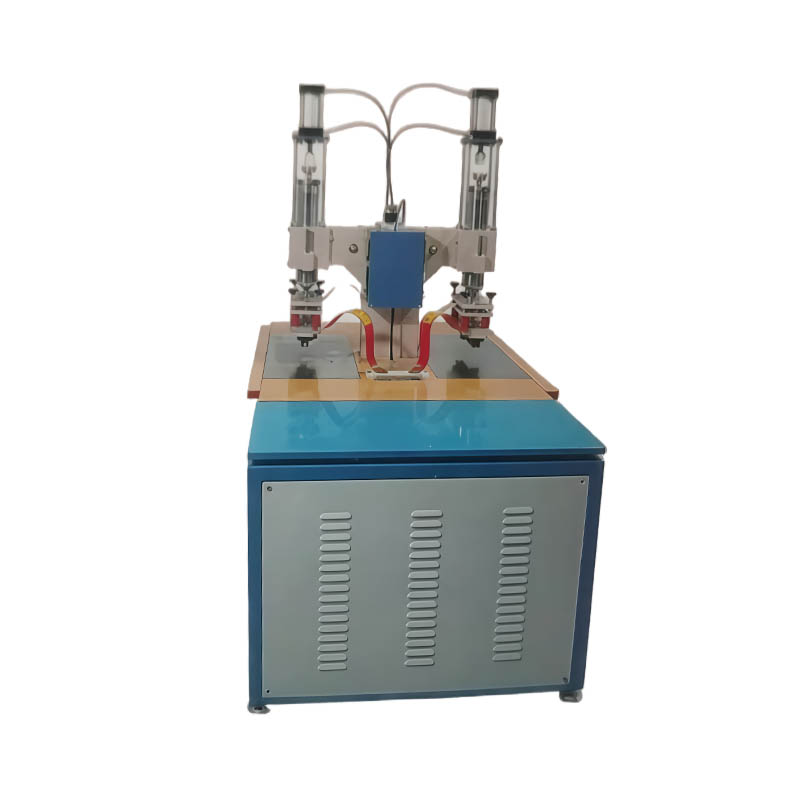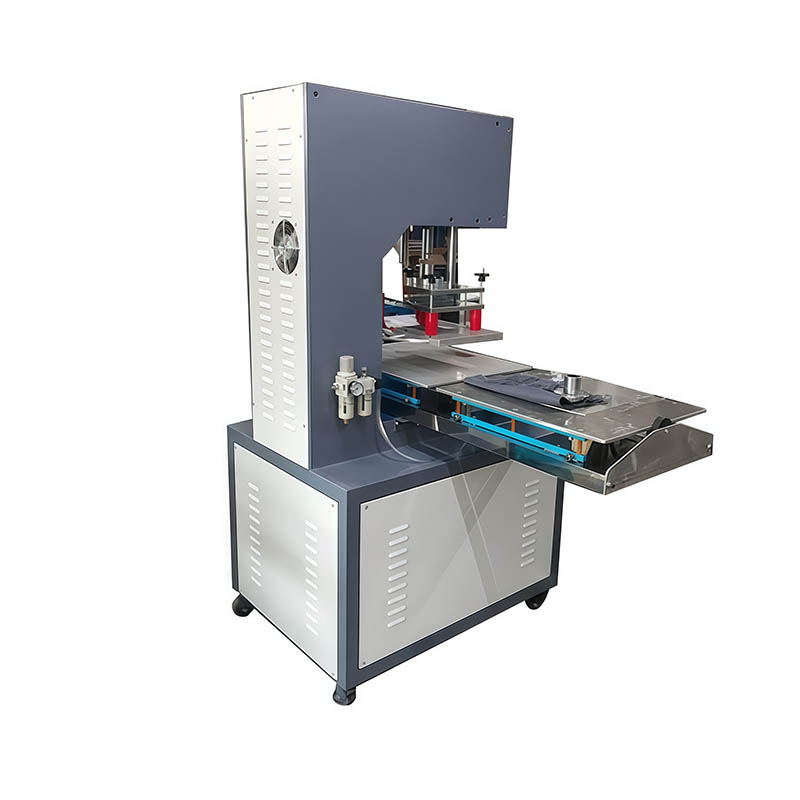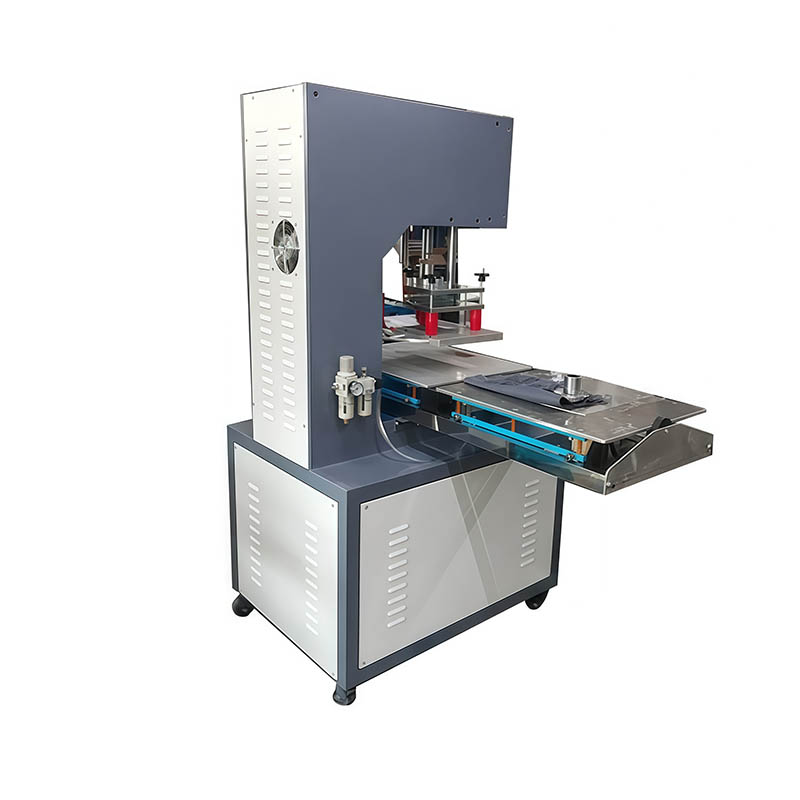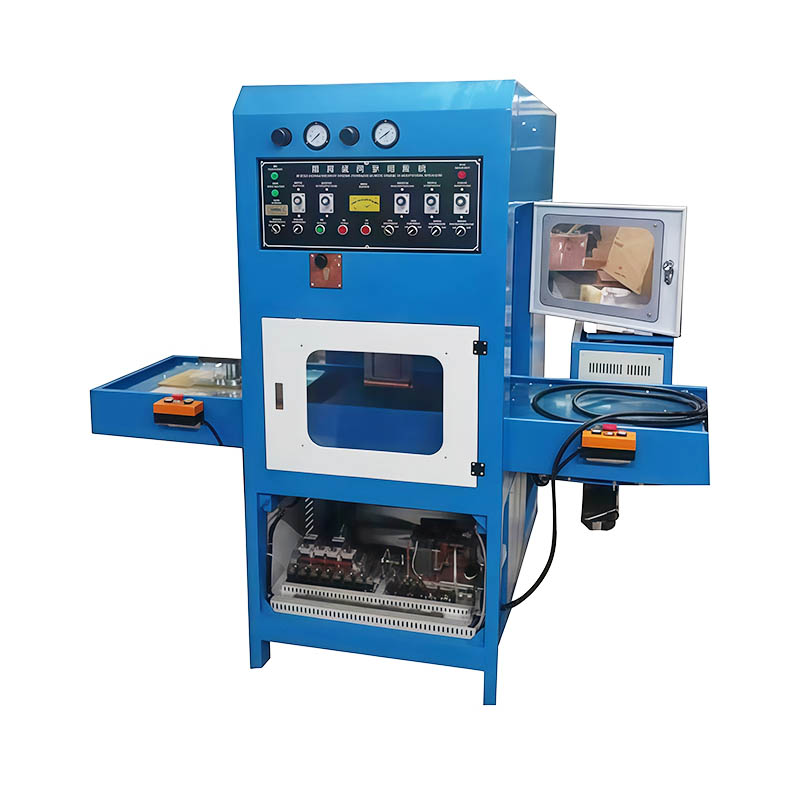

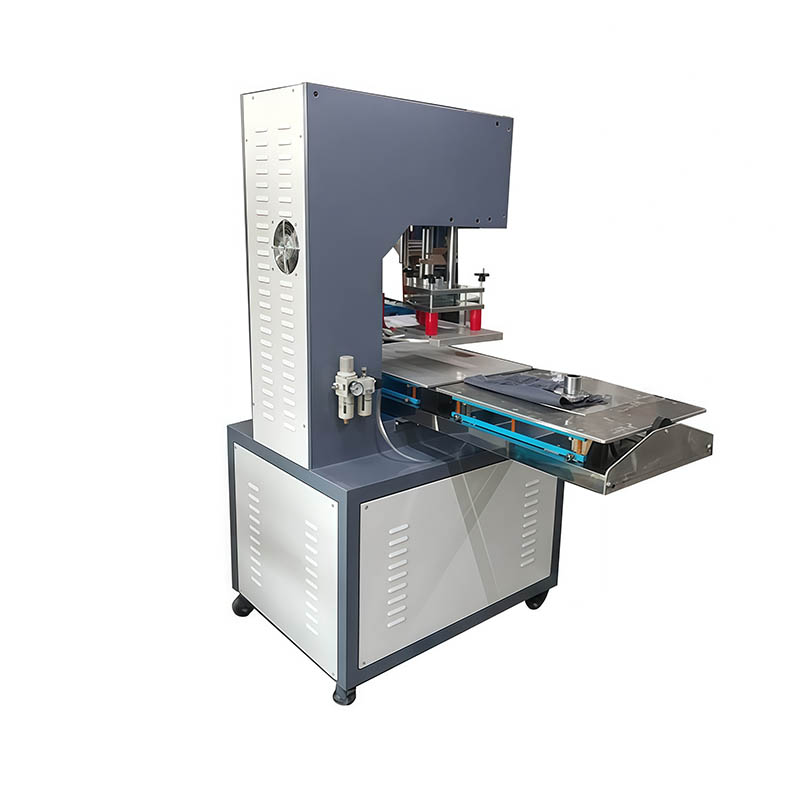
In modern industrial manufacturing, high-frequency plastic welding, with its unique heating principle, has become a core piece of equipment for processing polar materials such as PVC and PET.
Traditional automatic rotary table high frequency fusing machines mostly use fixed frequency and power control, which makes it difficult to adapt to the welding requirements of different materials.
The design of the cooling system for the electrodes of a high-frequency synchronous fusing machine is crucial for maintaining its stability.
In manufacturing processes such as blister packaging, tool encapsulation, and electronic component assembly, the stability of the high-frequency welding process directly determines the product's sealing, appearance quality, and reliability.
A high-frequency synchronous fusing machine can achieve a critical state where the solder melts but the base material does not melt by adjusting the frequency, power, and heating time.
High-frequency plastic welding technology, with its advantages of rapid heating, good weld sealing, and applicability to polar plastics, has been widely used in the packaging and manufacturing of electronic devices, such as sensor housings, battery packs,